

Queens, known as the most ethnically diverse part of the U.S., is home to people of various nationalities, faiths, and sexual orientations. Since 1993, the Queens Pride Parade has been held on the first Sunday of June, celebrating diversity and advocating for LGBTQ+ rights. This is New York City’s second-oldest pride parade, inspiring similar events in Brooklyn and the Bronx. Read more on queenski.com.
Created in Response to a Tragic Hate Crime
In 1992, activists Daniel Dromm and Maritza Martinez founded the Queens Lesbian and Gay Pride Committee, gathering funds for the inaugural Queens Pride Parade in 1993. Their aim was to advocate for LGBTQ+ rights and honor the memory of Julio Rivera.
Rivera, a 29-year-old bartender, lived in the Jackson Heights neighborhood. On July 2, 1990, his friend Alan Sack found him fatally stabbed in a schoolyard. Initially, the police categorized the murder as drug-related, conducting only a superficial investigation. Outraged, Rivera’s family reached out to groups focused on fighting the rise in LGBTQ+ hate crimes. Together, they organized a vigil on August 18, 1990.
Community pressure led the administration of Mayor David Dinkins to acknowledge the surge in LGBTQ+ hate crimes in New York. A reward was offered for information on Rivera’s murder, and in November 1990, police finally arrested three gang members. Rivera’s death became the first officially recognized anti-gay hate crime in New York State. According to one of the attackers, Rivera was killed for being gay, under the assumption that society would not mourn him.
Daniel Dromm, a pioneering LGBTQ+ rights activist in Queens, publicly came out as gay following the incident, despite being a public school teacher. Maritza Martinez, a Cuban American from Miami, was among the first Latinas to openly identify as a lesbian.
The Queens Pride Parade was thus organized in response to Julio Rivera’s murder and the homophobic protests of 1992, during which locals opposed the inclusion of LGBTQ+ topics in the Children of the Rainbow curriculum aimed at teaching tolerance.
To organize the parade, support from local gay bars was crucial. Some bar owners hesitated to participate, fearing backlash. Daniel Dromm later recalled their concerns about openly supporting the event. Notably, Dromm served on the New York City Council from 2010 to 2021, advocating tirelessly for community needs.
A Successful Debut
The first Queens Pride Parade took place on Sunday, June 6, 1993, drawing approximately 10,000 participants. The accompanying stage show featured drag queens, known for their exaggerated femininity and vibrant makeup, often seen as a core part of gay culture. Transgender participants also joined the parade, having raised significant funds for the event in gay bars.
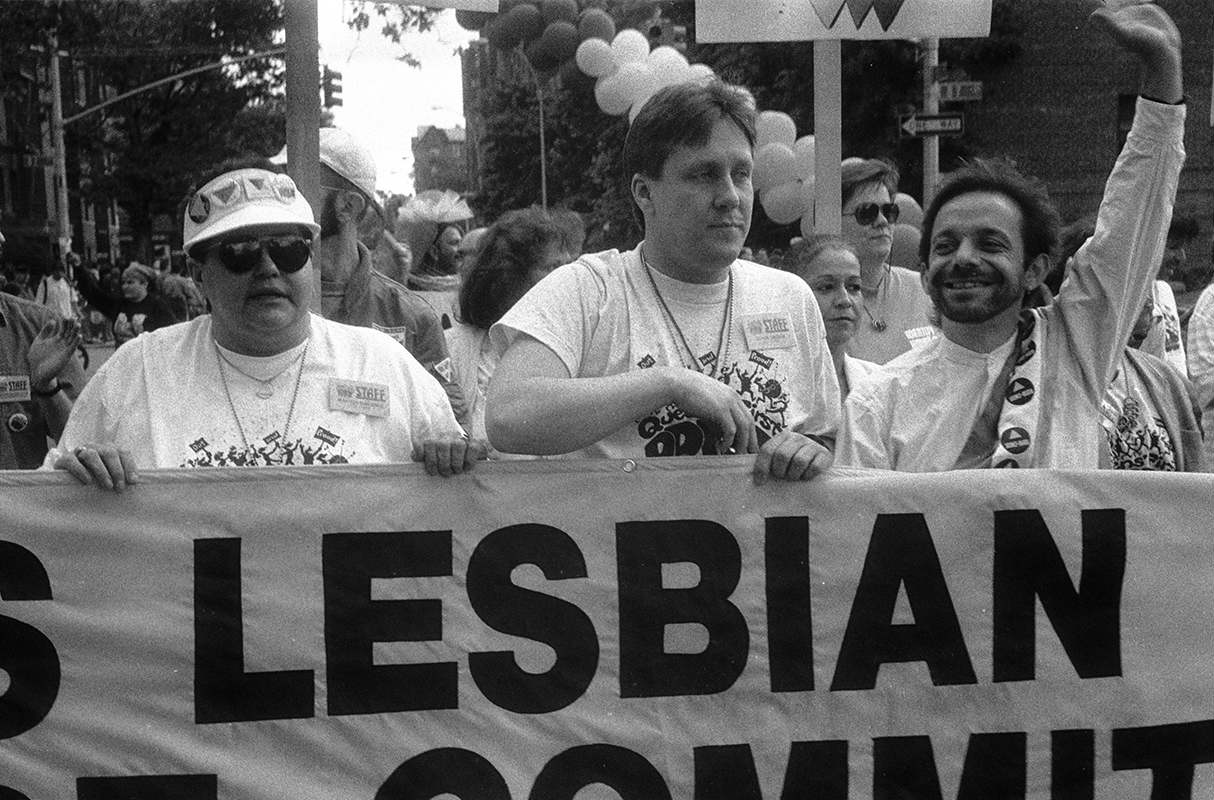
The parade was led by the Sirens Women’s Motorcycle Club and honored notable figures such as Jeanne Manford (a teacher and activist who co-founded the support group PFLAG), Tom Duane (the first openly gay New York State Senator), and Deborah Glick (the first openly lesbian New York State Assembly member).
Participants paused at the site of Julio Rivera’s murder for a moment of silence, followed by a second moment of silence honoring those lost to AIDS.
A March for Equality
The mission of Queens Pride Parade is to increase LGBTQ+ visibility, emphasizing rights and acceptance for lesbians, gays, bisexuals, and transgender individuals. Participants advocate for tolerance, human rights, and equality, regardless of sexual orientation.
Each year, the parade attracts over 40,000 people. Streets fill with lively music, drawing participants from all walks of life to join the celebration. Singers, comedians, and dance troupes contribute to the vibrant cultural program.
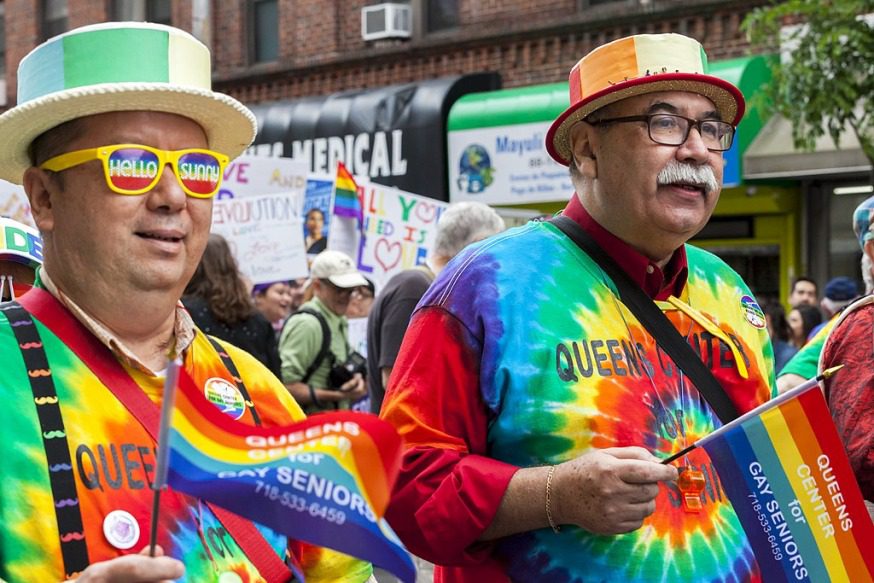
On parade day, attendees can explore unique merchandise at various booths and stands, along with public and social organization stalls. Tempting aromas fill the air, creating an inviting atmosphere for food lovers.
Families with children, couples, and groups of friends wander the bustling streets, supporting LGBTQ+ individuals. Local businesses often decorate their storefronts with rainbow colors, proudly showcasing their support.
Overall, the Queens Pride Parade is a time for celebration, connection, and empowerment, providing resources and fostering meaningful connections for all.