

Nas is one of the most influential rappers in hip-hop history, turning the street tales of Queensbridge into global music. His debut album, Illmatic, became a genre classic, while his subsequent career brought numerous accolades—including a Grammy—a high-profile feud with Jay-Z, and the status of New York’s ultimate chronicler. In this article on queenski.com, we explore the biography of Nas, his childhood and creative evolution, and the artist’s enduring impact on hip-hop culture.
Queensbridge as the Ultimate School of Life: Loss of a Friend and the Birth of a Street Poet
Nasir Jones was born on September 14, 1973, in Brooklyn, but Queensbridge became his true school of life—a massive housing project in Queens that spent decades with a reputation as one of New York’s toughest neighborhoods. Here, amid the concrete high-rises, Nas first experienced music not merely as entertainment, but as a way to narrate the reality surrounding him.
He inherited his musical talent from his father, Olu Dara, a jazz and blues musician. Yet, the domestic atmosphere was only part of his foundation. The streets exerted a far greater influence on the teenager, where growing up happened fast and career paths rarely depended on a kid’s own choices.
Nas dropped out of school around the eighth grade. It was then that Willie “Ill Will” Graham stood by his side—a neighbor, close friend, and the person who introduced Nas to the world of hip-hop. Music gradually became the teenager’s language to describe everything he witnessed daily: the streets of Queensbridge, poverty, violence, friendship, fear, and dreams of a different life.

Later, recalling the creative process behind his debut album, Illmatic, Nas described that period in deeply personal terms:
“When I was making Illmatic, I was just a little kid stuck in the ghetto. My soul was entirely trapped in Queensbridge.”
However, Queensbridge left more than just memories in his history; it left deep scars. In May 1992, Willie Ill Will Graham was shot and killed on the street. For Nas, this dealt a blow that nearly made him walk away from music altogether.
Yet, the opposite happened. The loss of his friend transformed into a core element of his art. What could have remained a private tragedy for a kid from Queensbridge eventually forged the material that allowed Nas to broadcast the reality of his neighborhood far beyond the borders of New York.

Illmatic: The Album That Changed Rap History
Before the release of Illmatic, Nas was already generating buzz within hip-hop circles. In 1991, the 17-year-old rapper seized the opportunity to make a statement on Main Source’s track “Live at the Barbeque.” His short yet striking verse instantly caught the attention of listeners and fellow artists alike. It was clear: a new voice had emerged in Queensbridge, capable of addressing street life in an entirely unprecedented way.
On April 19, 1994, Illmatic dropped—the debut studio album by Nas, which over time evolved from a critically acclaimed release into one of the definitive cornerstones in hip-hop history.
Its power lay not in track counts or trendy guest features, but in how precisely Nas captured the atmosphere of his neighborhood. A genuine dream team handled the production: DJ Premier, Large Professor, Pete Rock, Q-Tip, and L.E.S. Each brought a distinct sonic signature, yet together they wove a gritty, jazz-infused, and intensely cinematic soundscape.
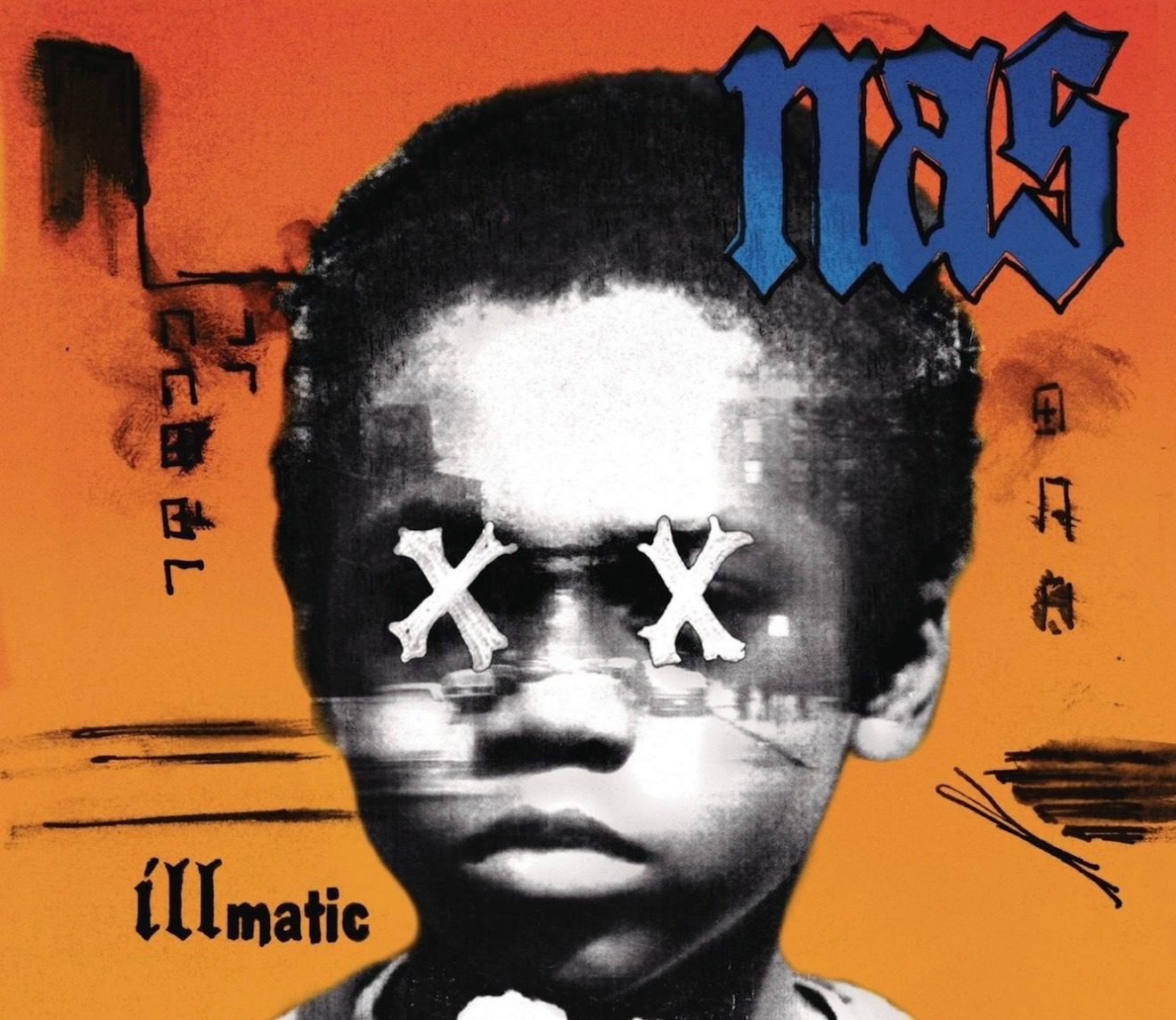
Nas himself made Queensbridge the primary protagonist of the record. He neither romanticized street life nor sugarcoated its harsh realities. Drugs, crime, poverty, and violence existed side-by-side in his lyrics alongside the aspirations of young people trying to break the cycle. Critics responded almost instantly. The authoritative magazine The Source awarded Illmatic a rare 5-mic rating, cementing the album as a watershed moment for the genre.
Paradoxically, classic status arrived faster than massive commercial success. Despite critical acclaim, the record didn’t become an overnight sales juggernaut. It wasn’t until 2001 that Illmatic officially achieved platinum status.
Battle for the New York Crown: The Historic Feud Between Nas and Jay-Z
Following the triumph of Illmatic, Nas faced an even tougher challenge: proving his debut wasn’t a fluke. The rapper shifted toward a different sound. Released in 1996, It Was Written offered a more polished, cinematic, and mass-market-oriented approach, weaving in distinct mob aesthetics and themes of upward mobility.
The gamble paid off. It Was Written instantly debuted at number one on the US charts, firmly cementing Nas as one of the defining rappers of his generation.
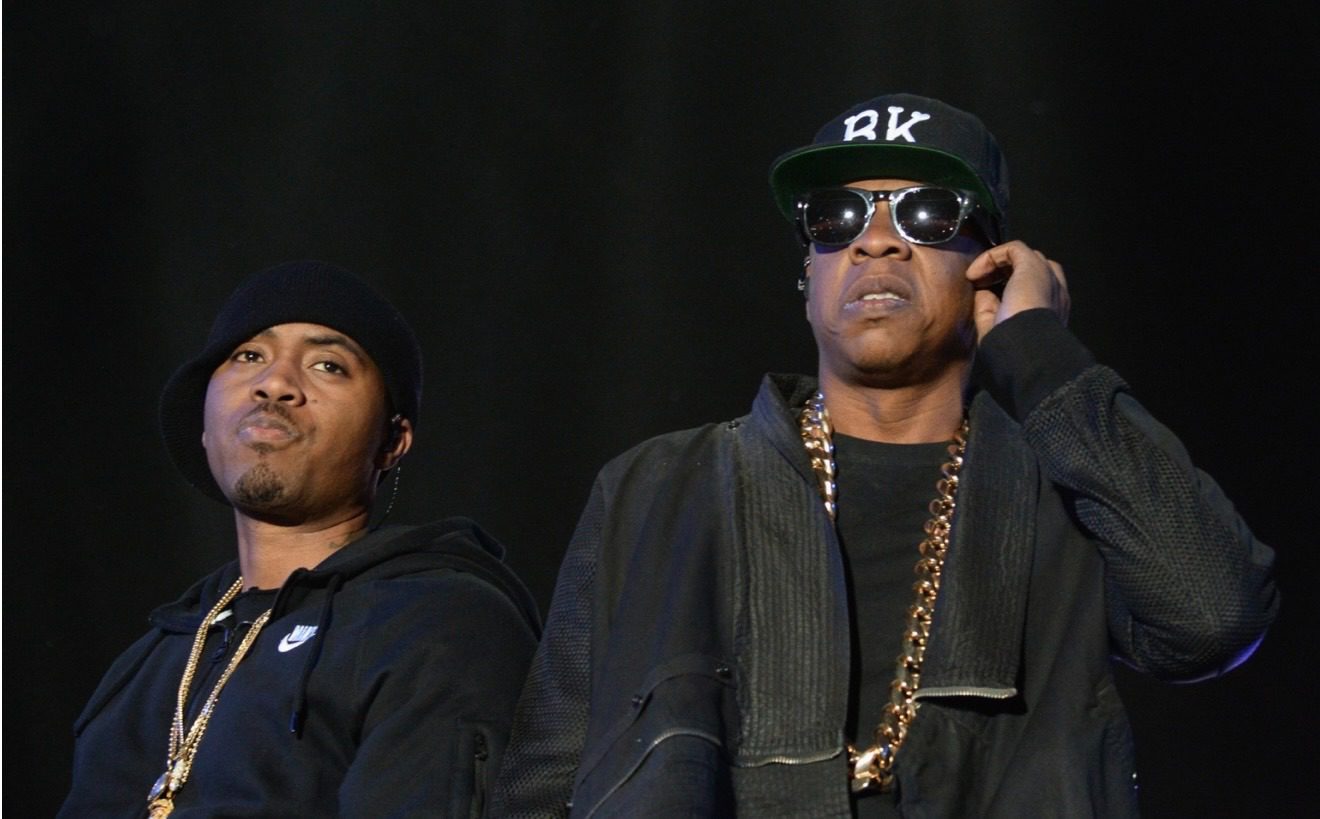
By the early 2000s, however, his career extended far beyond the recording studio. New York was gripped by a battle for the unofficial crown of the city’s top rapper, with Jay-Z emerging as Nas’s principal rival.
Tensions boiled over after Jay-Z released “Takeover,” a track directly targeting Nas and questioning his relevance and artistic output post-Illmatic. Nas refused to take it lying down. His retort came in the form of “Ether,” featured on the Stillmatic album (2001). This was far more than a standard diss track; Nas methodically dissected his opponent’s persona and career, answering accusations line by line.
The backlash was so explosive that “Ether” entered the hip-hop lexicon as a verb denoting a verbal takedown so absolute the target is left speechless. Radio station Hot 97 held a listener poll that spoke volumes: 58% of respondents declared Nas the winner.
Ultimately, the feud that had divided New York’s two biggest rap icons for years ended in unexpected reconciliation. In 2005, Nas and Jay-Z shared a stage during a concert, proving their long-standing rivalry was firmly in the past.
Over time, Nas’s music featured less urgency to prove a point and more introspection. One of his most vital statements was God’s Son (2002), an album where the rapper processed his mother’s passing while re-evaluating his life and legacy.

Nas increasingly looked beyond his personal narrative. In Hip Hop Is Dead (2006), he offered a sharp critique of the genre’s state, while in 2010 he teamed up with Damian Marley for Distant Relatives—an unexpected fusion of hip-hop and reggae that tackled African heritage, social inequality, and cultural connections.
Life Is Good (2012) proved even more intimate. Here, Nas no longer tried to resurrect the persona of a young street chronicler. Instead, he spoke as a mature man who had survived global fame, conflicts, losses, and a painful divorce.
Long-Awaited Grammy Glory and Career Renaissance: The Triumph of King’s Disease and Hit-Boy Partnership
Nas had practically everything a rapper could dream of: a classic debut, multi-platinum records, legendary feuds, and status as a New York heavyweight. Yet, one accolade eluded him: a Grammy Award.
Paradoxically, he secured mainstream music’s highest honor after decades in the game. At the 63rd Grammy Awards in 2021, Nas won Best Rap Album for his 2020 release, King’s Disease.
This project marked a fresh chapter in his artistry and sparked an extraordinarily prolific creative partnership with producer Hit-Boy.
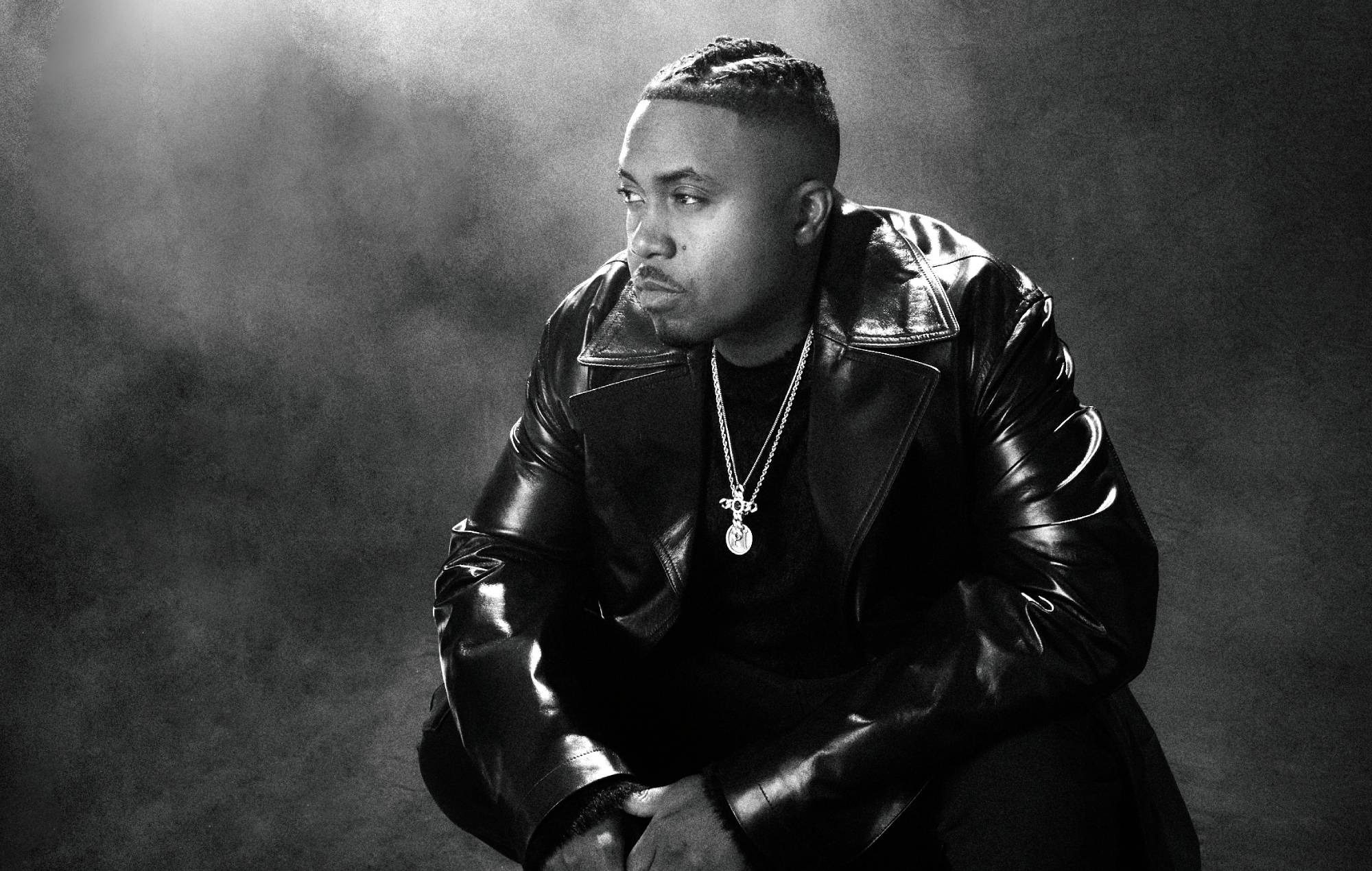
Their collaboration lasted longer than anyone anticipated, yielding the King’s Disease trilogy (I, II, III) alongside Magic 1, 2, and 3. For an artist who launched his career in the early 1990s, this served as ultimate proof that Nas hadn’t turned into a hip-hop museum piece. On the contrary, he found a way to sound contemporary without imitating younger artists or shedding his signature style. His late-era work demonstrated that aging in rap doesn’t mean losing relevance—sometimes, it simply adds profound depth.
More Than a Rapper: Startup Investing, Mass Appeal, and a Harvard Fellowship
Music long ago ceased to be the sole source of Nas’s influence and income. Long before the modern boom of celebrity tech investors, he began channeling capital into media, technology, and diverse business ventures.
A cornerstone of these efforts became Mass Appeal. In 2013, Nas made a six-figure investment in the media company and publishing house, later stepping in as co-publisher and launching an imprint under its umbrella. For him, this was a way to operate not just as an artist, but as a cultural gatekeeper shaping media and public discourse.
Tech startups represent another major focus. Nas backed job-search platform Proven, video ad network ViralGains, and became a co-owner of LANDR, a cloud-based audio mastering platform.
He didn’t overlook the restaurant industry either. The rapper became a partner in the Sweet Chick comfort-food chain and served as a brand ambassador for Hennessy cognac.
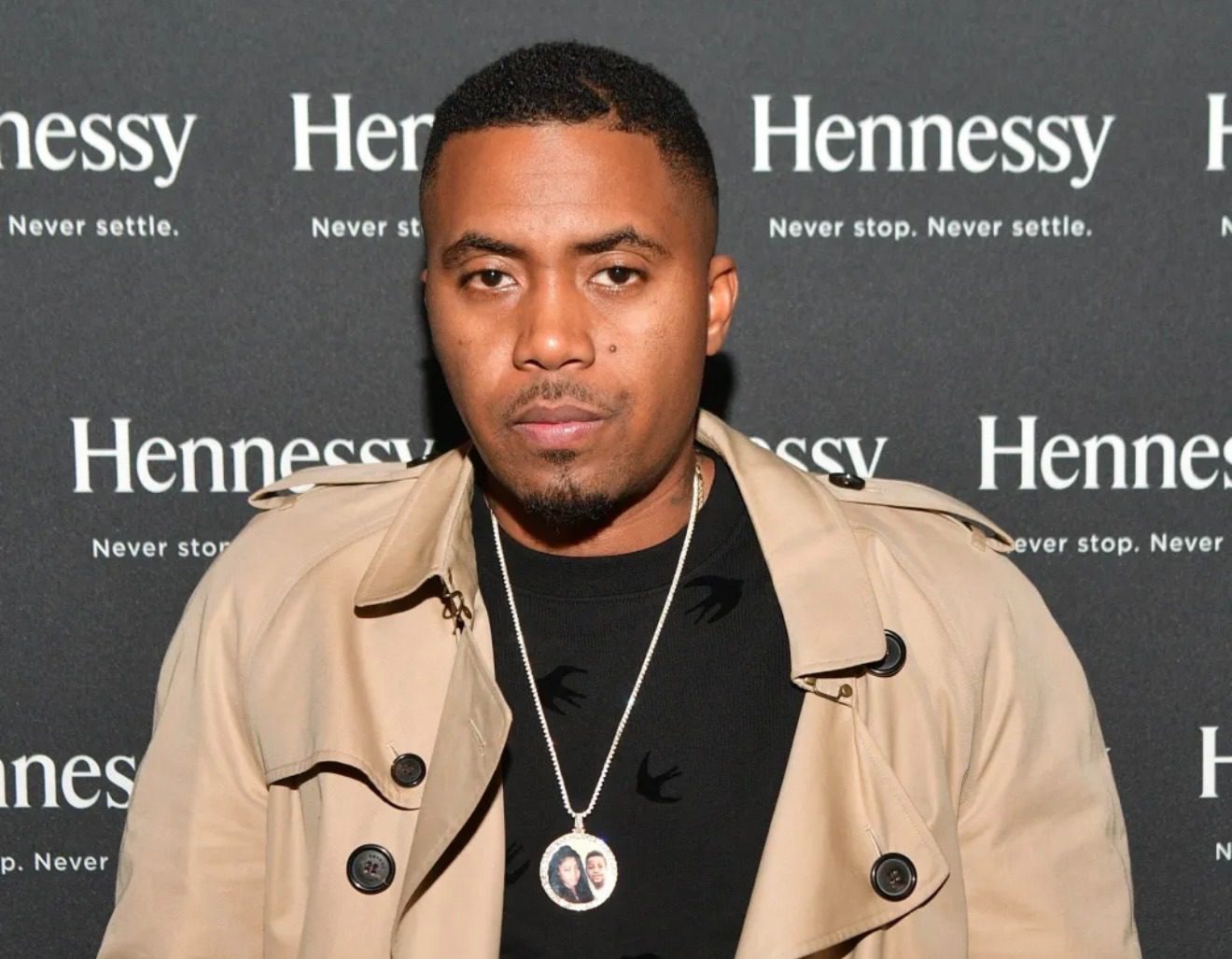
Nas’s journey proves that true art has no expiration date. From the narrow corridors of Queensbridge to Harvard University—where the Nasir Jones Hiphop Fellowship bears his name—he has carved a path that transformed not only his own life, but culture at large. Nas remains far more than a rapper; he is a lyrical benchmark whose contributions to global music continue to inspire generations of artists.