

Harvey Weinstein, one of Hollywood’s most influential film producers, became famous for co-founding the film and television company Miramax with his brother. However, his success was overshadowed by numerous allegations from women of sexual harassment, with several leading to criminal charges and convictions. Read more about this controversial celebrity on queenski.com.
Miramax Films
Harvey Weinstein was born on March 19, 1952, in Queens to a Jewish family. His maternal grandparents had once immigrated to the United States from Poland. During his studies at the State University of New York at Buffalo, Weinstein and his brother Bob produced rock concerts and soon developed an interest in film. In 1979, the Weinstein brothers founded the film production and distribution company Miramax Films (later known as Miramax), named after their parents, Miriam and Max.
The Weinsteins bought the rights to films and distributed them, often taking risks by featuring controversial and provocative works. For example, in 1989, they acquired the psychological drama Sex, Lies, and Videotape, which tells the story of a woman disillusioned with married life and a man who has lost faith in love. This film became Miramax’s first hit.
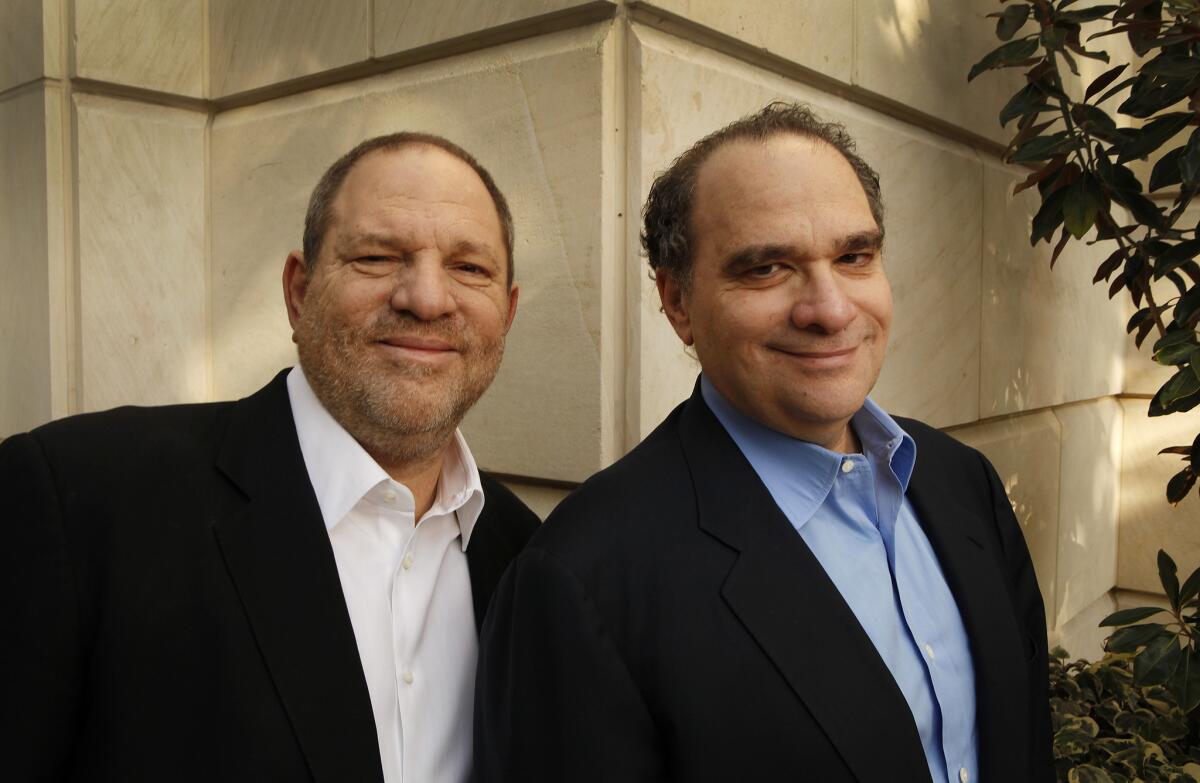
In the 1980s and 90s, the company gained a reputation as a prestigious distributor of independent American cinema. The Weinsteins’ empire became synonymous with quality, sophistication, and risk-taking—a haven for daring artists. In 1993, The Walt Disney Company acquired Miramax for approximately $60 million, allowing the Weinsteins to continue their work there. By the late 1990s, their films had garnered nearly 40 Academy Awards.
In 1998, Miramax launched a television division and, a year later, the magazine Talk, covering film and television stars. In 2010, The Walt Disney Company sold the company to Filmyard Holdings, which later sold nearly half of its shares to Paramount Global in 2020.
Among Miramax’s most notable films are the psychological drama Reservoir Dogs (1992), the iconic gangster drama Pulp Fiction (1994), the action-horror-comedy From Dusk till Dawn (1996), the action film Kill Bill (2003) by Quentin Tarantino; the slasher Scream (1996); the musical Chicago (2002), which won six Oscars; and the biographical drama The Aviator (2004).
The Weinstein Company
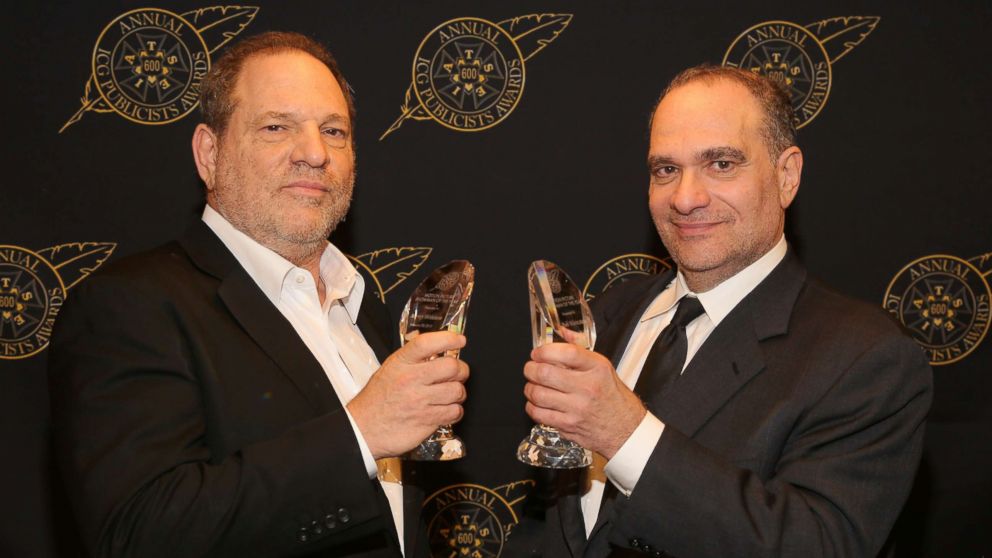
In 2005, Harvey and Bob Weinstein left Miramax to establish The Weinstein Company, which became one of the largest film studios in North America. In 2018, the company declared bankruptcy, and Lantern Entertainment acquired most of its films and assets. The downfall of the studio was largely due to Harvey Weinstein’s dismissal following accusations of sexual harassment.
The Weinstein Company produced many iconic films, including the Holocaust drama The Reader (2008), Woody Allen’s comedy Vicky Cristina Barcelona (2008), the historical drama Inglourious Basterds (2009), and Quentin Tarantino’s western Django Unchained (2012).
Scandal
In early 2017, journalists began investigating allegations from dozens of actresses claiming that Harvey Weinstein had engaged in sexual harassment and assault for nearly two decades. In October of that year, The New Yorker published findings similar to those in an investigative report by The New York Times, with both publications later receiving the 2018 Pulitzer Prize for Public Service for their exposés.
According to the victims, Weinstein would often demand massages or have them watch him naked, promising to help advance their careers in exchange for sexual favors. Actresses such as Angelina Jolie, Gwyneth Paltrow, Salma Hayek, Lena Headey, Rose McGowan, Ashley Judd, Cara Delevingne, Lysette Anthony, Lauren Holly, Brit Marling, Annabella Sciorra, and Daryl Hannah accused him of attempted or actual assault. Notably, Rose McGowan claimed Weinstein offered her $1 million to keep silent, which she refused. The New Yorker reported that Weinstein had even hired private investigators to silence allegations of sexual misconduct.
Salma Hayek told The New York Times that her friendships with Quentin Tarantino and George Clooney protected her from assault. Weinstein would show up at her hotel at any time of night, even visiting film sets where he was not involved. According to Hayek, he hated hearing “no” and sometimes even threatened to kill her for rejecting his advances.
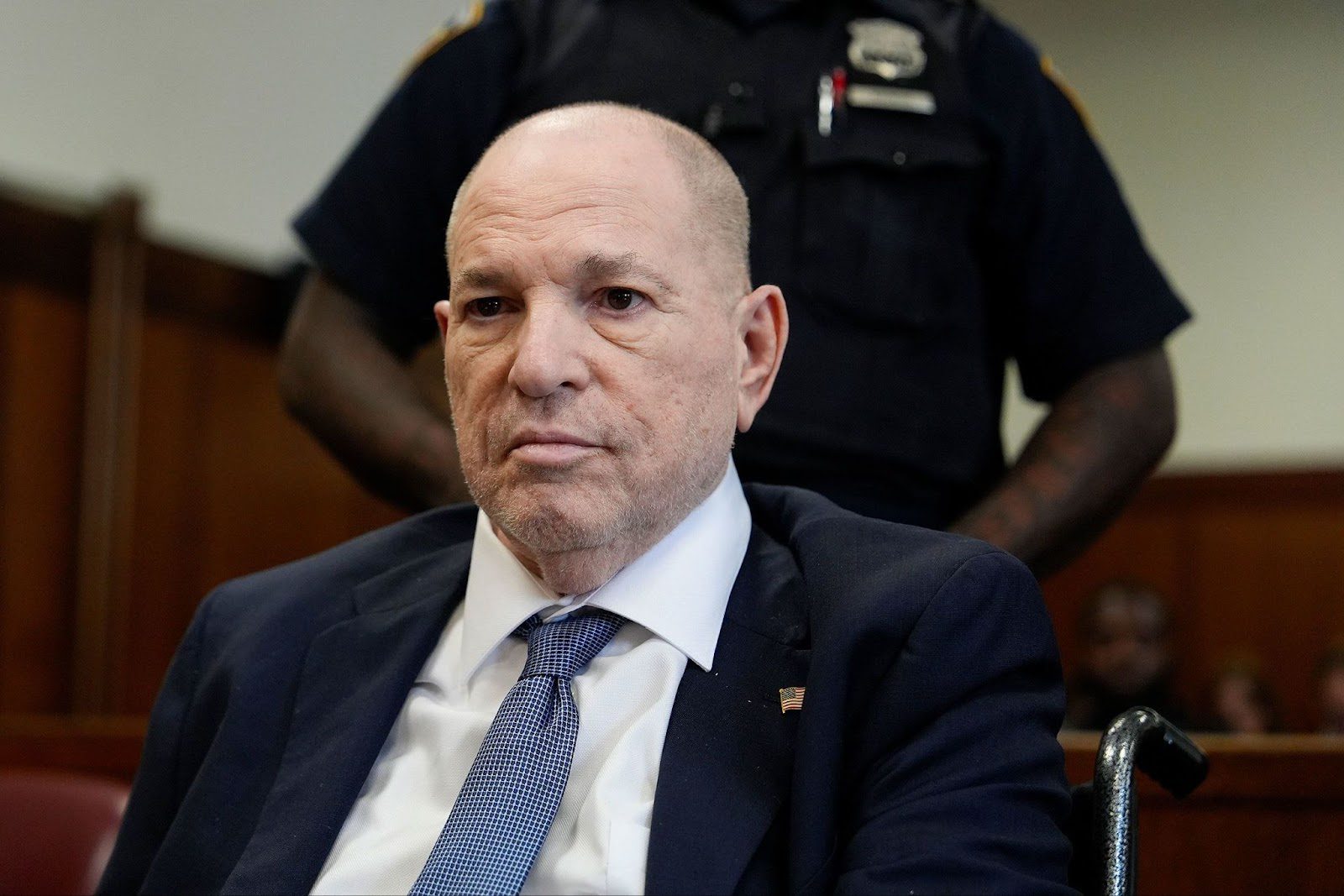
In May 2018, New York law enforcement charged Weinstein with raping two women. He pled not guilty. In January 2020, a trial led to a 23-year prison sentence. However, in 2024, his conviction was overturned on appeal, with the New York court ruling that the initial proceedings were unfair, setting a new trial date.
Weinstein also faced charges in California, with four women accusing him of sexual violence from 2004 to 2013. In 2022, he was convicted in Los Angeles, with jurors finding him guilty of assaulting an Italian actress. Although three other victims could not convince the jury, the two-month trial showed how Weinstein used his influence to lure women into private meetings where he attacked them.
In 2023, Weinstein was sentenced to 16 years in Los Angeles for raping the Italian actress. Minutes before sentencing, he pleaded for leniency, but prosecutors stressed that he deserved the maximum penalty given his lifelong abusive treatment of women and lack of remorse. An anonymous victim spoke before sentencing, recounting the trauma she endured from Weinstein’s assault.
Personal Life
Harvey Weinstein was married twice. His first marriage was to assistant producer Eve Chilton from 1987 to 2004, with whom he had three daughters. In 2007, Weinstein married British designer, actress, singer, and model Georgina Chapman. They began dating in 2004 before Weinstein’s divorce from his first wife, and had a daughter and a son together. Chapman co-founded the fashion brand Marchesa and appeared in various television shows and films.
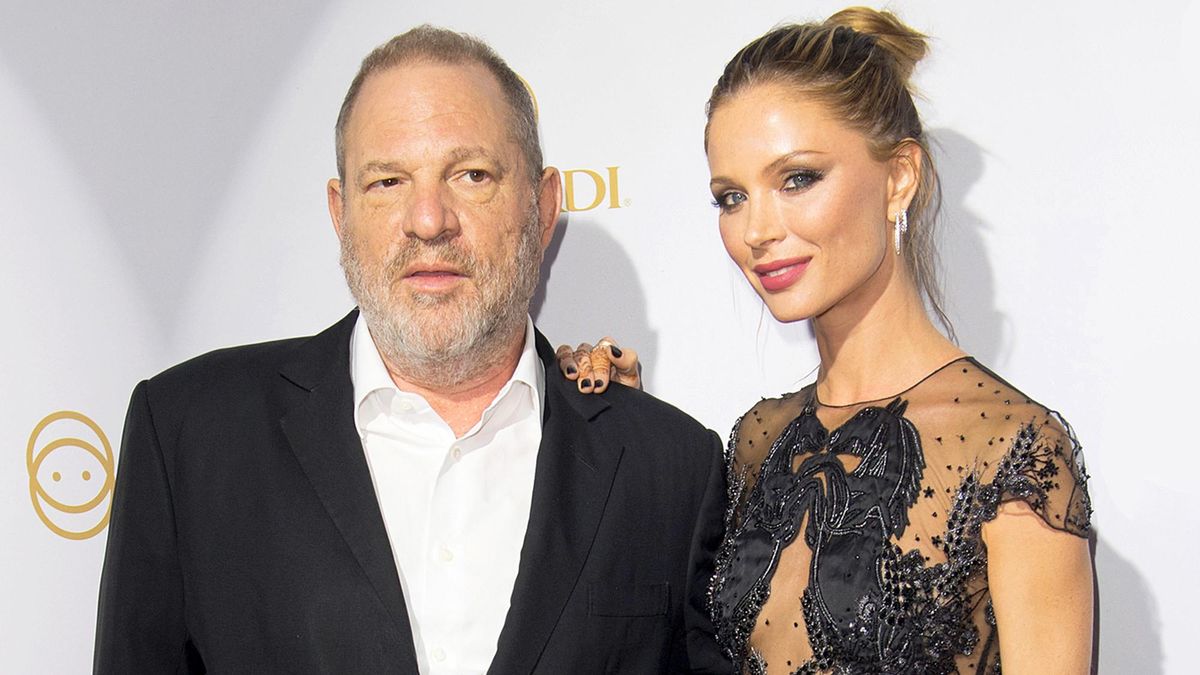
In October 2017, following public exposure of the allegations, Chapman left Weinstein, stating she was unaware of his abusive actions. Although she had occasionally suspected him of infidelity, she admitted she was naive about the severity of the accusations. Chapman avoided public appearances initially, fearing it would offend the victims. She showed solidarity with those who bravely spoke out about experiencing sexual harassment and violence.