

Halloween is traditionally celebrated worldwide on the night of November 1st, most notably in the U.S., Canada, Ireland, and the U.K. In Queens, this holiday is marked by the Halloween Harvest Festival, held in late October. This one-day event invites visitors to enjoy local sweets and engage in fun activities like costume crafting. Read more about the festival’s history and why it’s a must-visit on queenski.com.
Pagan Origins
While recent studies suggest Catholic origins for Halloween, the holiday’s roots are widely believed to stem from pagan traditions. Originally, it was a day to honor the spirits of deceased ancestors. The term “Halloween” is derived from “Hallowe’en,” a shortening of “All Hallows’ Eve.” In some regions, the day is also known as Reformation Day, Celtic New Year, or the Day of the Dead. Halloween’s predecessor is believed to be Samhain, an ancient Celtic festival celebrated in England, Scotland, Northern France, Ireland, and Wales, marking the start of the dark winter season.
With the spread of Christianity across England and continental Europe, November 1 was designated as All Saints’ Day, a day to honor the deceased who had no dedicated day in the year. The Church intended this to replace pagan rituals, yet the traditions persisted. To this day, November 1 is a holy day, while the evening of October 31 and the following night are times of magic and superstition.
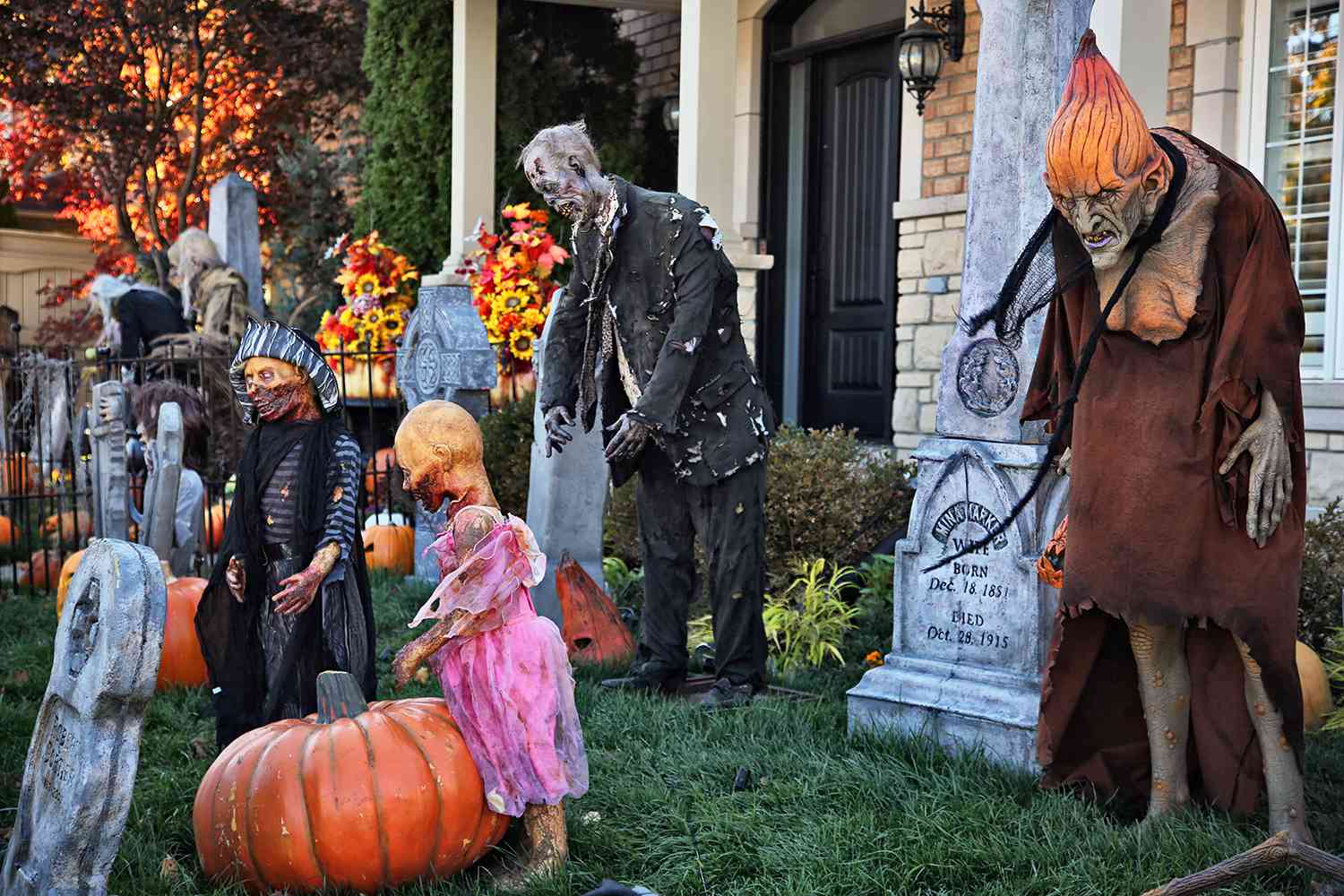
Halloween is especially loved by Americans, being the second most popular holiday after Christmas in the U.S. Preparations begin as early as mid-October, with restaurants adding seasonal dishes, decorations popping up everywhere, and stores stocking Halloween-themed merchandise. Costume parties, horror movies, and even parades take place across major cities, while children go door-to-door collecting candy.
Halloween colors symbolize death and darkness (black) and the fall harvest (orange). The main symbol is the pumpkin, a tradition originating in Ireland, where people originally used turnips instead. The legend of Jack, a farmer who trapped the Devil in exchange for eternal freedom from Hell, explains this custom. Upon Jack’s death, he was barred from both Heaven and Hell, condemned to wander the earth with a glowing coal in a carved turnip to light his way. Locals soon began carving scary faces in their own turnips to ward off evil spirits.
The tradition of dressing up in costumes emerged in the early 20th century. Initially, costumes were either simple frightening masks or fabric cutouts resembling human faces, creating a truly eerie atmosphere.
By the late 20th and early 21st centuries, costumes had become more diverse and elaborate. Though witches and vampires remain popular, costumes inspired by book and film characters, fairies, and mermaids are also widespread. Interestingly, the word “witch” originates from the Old Saxon “wica,” meaning “wise.” The earliest witches were respected as healers and fortune-tellers.
Festival Fun
Halloween celebrations in the U.S. began as a way to honor the autumn harvest. In its early days, Halloween parties featured corn games, hay rides, and similar activities, a tradition that has carried on into the 21st century.
Queens’ Halloween Harvest Festival offers unforgettable experiences for locals and tourists alike. Vendors sell sweets, and both adults and children can enjoy engaging activities, watch circus performances, and attend cultural events. Children often paint their faces in bright colors, while organizers also accommodate pets: dogs can participate in a costume contest, where owners compete for the best designer title, and pets have fun playing together.
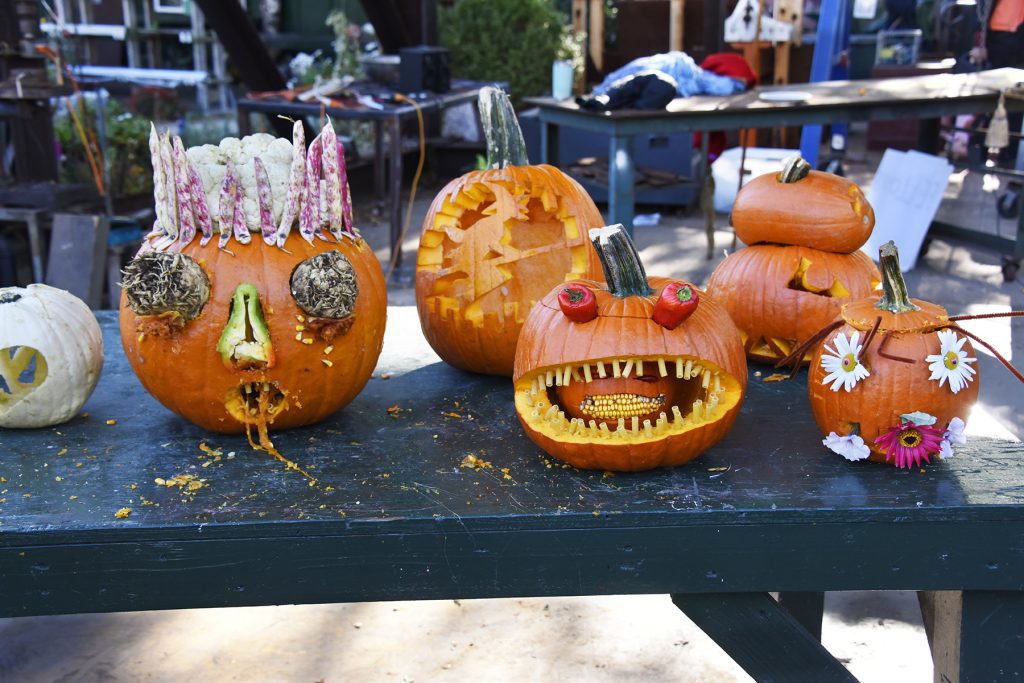
The festival is a great opportunity to celebrate the fall season with workshops, performances, delicious food, and, of course, pumpkin displays.
Where It’s Held
The seasonal celebration takes place at Socrates Sculpture Park, an outdoor space where artists showcase contemporary public art. The park has no permanent collection; all exhibits are temporary, allowing visitors to not only view the creations but also witness the labor-intensive process behind them.
The park is located along the East River, opposite the northern end of Roosevelt Island, with scenic views of the Hell Gate Bridge. The steel arch spanning the East River is one of the few rail connections between Long Island and the rest of the U.S.