

Ethel Merman became famous as a singer with a strong and clear voice, which she skillfully demonstrated during the performance of leading roles in Broadway musicals. Merman is remembered not only for her powerful vocals but also for her tireless humor on stage. She was one of the most successful Broadway actresses of the 20th century. Read more about ‘the First Lady of the musical comedy stage’ on queenski.com.
Early years
Ethel Agnes Zimmermann (real name) was born on January 16, 1908 in Queens to an accountant and a school teacher. Her parents were very religious people, so Ethel attended the morning church service every Sunday. In addition, she attended Sunday school and participated in the afternoon prayer meeting.
Although the girl never studied music, during the First World War she sang for soldiers at local military facilities. After graduating from school, Zimmermann worked as a secretary for a company that sold vacuum brake boosters. The salary was not enough for her, so she worked as a singer in nightclubs.
Theatrical success
Zimmermann made her musical debut in 1930. Then, she performed under the name Ethel Merman in Girl Crazy, a play about Danny Churchill, who is sent to the fictional Casterville to manage the family ranch. His father wants Danny to focus on serious matters and not just alcohol and women but Churchill is unwilling to follow his wishes.
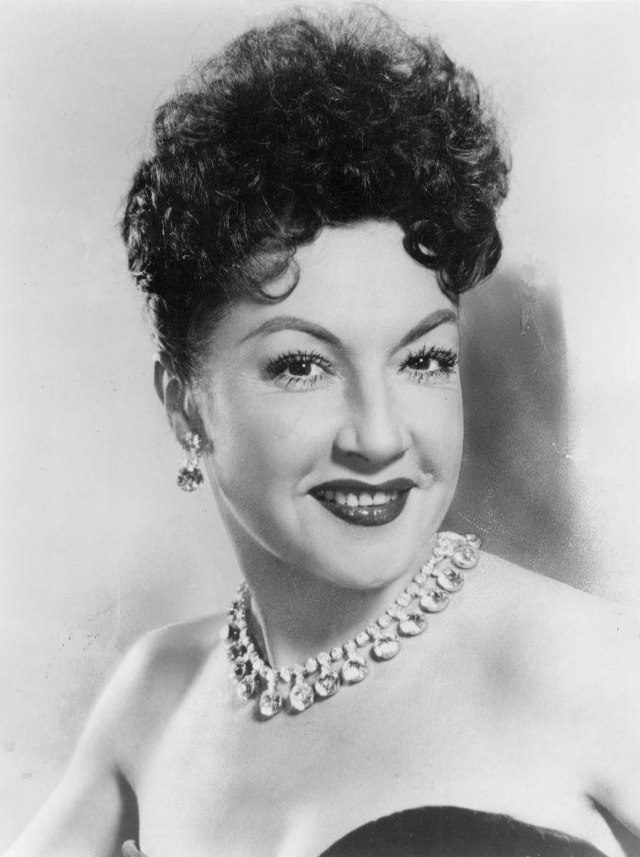
Although she didn’t have a formal musical education, Merman became an instant sensation. Almost all musicals with her participation were successful. By 1933, Ethel had managed to appear in three successful Broadway plays and recorded two hits, How Deep Is the Ocean and Eadie Was a Lady. The actress became a favorite of the leading songwriters of Broadway theaters. They were captivated by Merman’s brassy mezzo-soprano, pitch and crystal-clear diction. Brothers George and Ira Gershwin, Irving Berlin and Cole Porter wrote some of their best songs for her, namely I Got Rhythm, You’re the Top and I Get a Kick Out of You.
In 1934, the actress achieved her biggest success on Broadway. She starred in the musical Anything Goes. It tells the story of crazy antics aboard an ocean liner heading from New York to London. During 1930–1959, Ethel played 13 roles on Broadway. Although they often went beyond the theater to television and movies, Merman rarely portrayed the characters she created on the big screen.
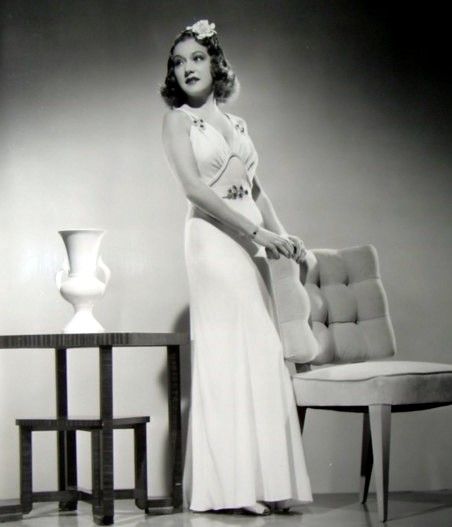
By the way, the Broadway theater was formed in Manhattan, where dozens of such large theaters are located. This is a special type of commercial art that arose as a response to the lack of a state program to support theater in the United States. Broadway shows attract the audience with the frivolity and spectacularity of the performances.
Merman announced her retirement from Broadway after a two-year run in Call Me Madam. She won the Tony Award for Best Performance by a Leading Actress in a Musical for this role. Nevertheless, Ethel returned to the stage in 1956 due to her then-husband, the executive director of Continental Airlines, Robert Six. He became upset at Merman’s idea of becoming a housewife after their wedding in 1953. Six expected that his wife’s public appearances would draw attention to his airline.
Therefore, Merman went on stage to play in the musical Happy Hunting. In 1959, she participated in Gypsy. Later, the actress appeared in several more shows and the theater world called her ‘the First Lady of the musical comedy stage’. Every time Merman began to sing, she stood out with her skill, even though she had never taken vocal lessons.
In 1960, Ethel took part in the gypsy play Everything’s Coming Up Roses. It was considered to be the actress’ greatest triumph by many critics. However, she lost the Tony Award to Mary Martin that year. By the way, this actress and singer became the owner of the Tony Award four times. The Tony Award is given for achievements in the field of American theater. In 1970, Ethel Merman starred in the show Hello, Dolly!, after which she left Broadway.
Film and TV career
While performing in the theater, the native of Queens was engaged in directing work. In the 1930s, she began making short films at the Paramount studio, which was then located in the Astoria area. At the end of 1930, her first feature film, Follow the Leader, was released.
In 1934, Merman starred in the musical comedies We’re Not Dressing and Kid Millions. By 1938, she managed to shoot a film with Eddie Cantor, a film version of the play Anything Goes and three films for 20th Century Fox.
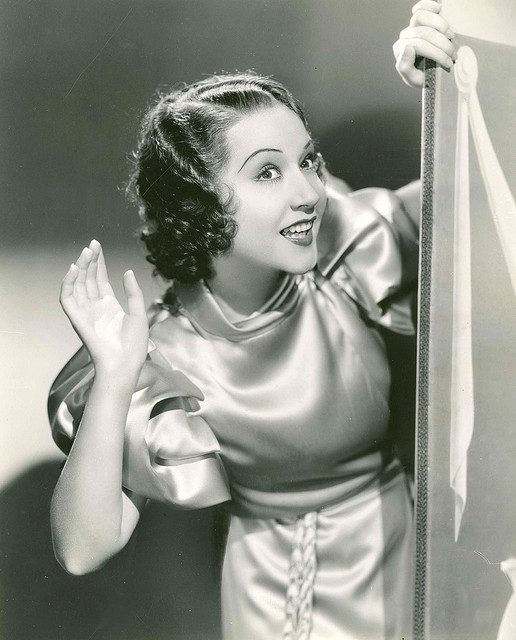
In 1953, the actress first appeared on television, singing a duet with her friend and competitor Mary Martin. In the 1950s and 1970s, Merman was occasionally invited to appear on television shows. In 1972, she received the Special Tony Award for her contribution to show business. Four years later, Ethel played a cameo role in the film comedy Won Ton Ton, the Dog Who Saved Hollywood. In 1980, she took part in the satirical comedy Airplane!
Four marriages
In 1940, the Broadway star legitimized her relationship with theatrical agent William Jacob Smith. This marriage lasted only a year. Her second husband was journalist Robert Levitt. The couple had two children. Merman’s third husband was the president of Continental Airlines, Robert Six. However, this marriage was not the last. In 1964, Ethel married fellow actor Ernest Borgnine. They were together for only 38 days.
Merman’s daughter died from a drug overdose in 1967. Her son Robert married actress Barbara Colby, who was killed in a garage in Los Angeles by gang members for no apparent reason.
Illness and death
At an older age, Merman became forgetful. Sometimes, she had difficulties with speech. Her strange behavior caused concern among her friends. In 1983, Ethel was going to attend the Oscar ceremony in Los Angeles but collapsed in her apartment due to a stroke. In the hospital, doctors discovered stage four glioblastoma. It is the most widespread and aggressive form of malignant brain tumor.
The woman underwent brain surgery but the tumor was inoperable. Doctors predicted Merman would have 8.5 months to live. The tumor caused aphasia, a speech disorder. The disease also caused baldness and Ethel’s face became swollen. The family tried to hide information about the condition of the actress from the media.
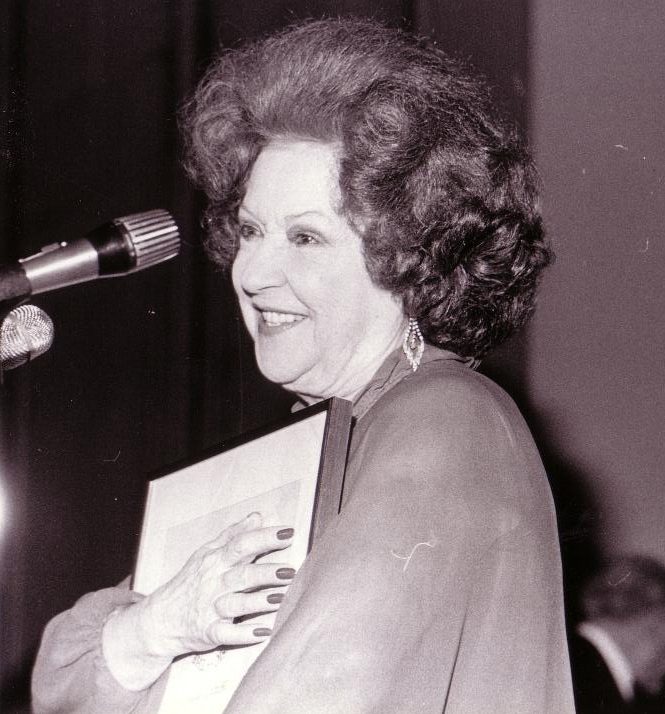
As often happens before death, Merman’s health stabilized for a while, allowing her to return to her own apartment in Manhattan. Merman died at her home in February 1984 at the age of 76. On the evening of her death, all 36 Broadway theaters dimmed their lights at 9 PM to honor the memory of the legendary performer.
The star’s body was passed on to her son Robert, as Ethel had wished. Robert buried his mother next to her daughter in Colorado. Merman’s estate was worth $1.5 million and was shared by his son and two grandchildren. In 1984, an auction was held to sell some of the star’s personal items, which raised more than $120,000. During the 56th Academy Awards ceremony, the song There’s No Business Like Show Business was performed in her honor.